
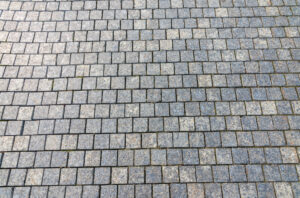
Pavers are one of the most popular choices for driveways, patios, walkways, and pool decks — and it’s easy to see why. They’re durable, attractive, and add real curb appeal to any property. But there’s a common misconception that because pavers live outside and already deal with rain and weather, they don’t need much attention. In reality, outdoor exposure is exactly why pavers need consistent, professional care.
If your pavers are starting to look faded, stained, or uneven, the problem likely goes deeper than surface dirt. Here’s what’s actually happening — and what it takes to fix it.
Outdoor Exposure Does More Damage Than You Think
Every time it rains, water carries dirt, debris, and contaminants across your paver surface and into the joints between stones. UV exposure from the sun gradually breaks down color and finish. Freeze-thaw cycles — even in mild climates — cause the ground to shift slightly, which can loosen pavers, widen joints, and create uneven surfaces over time.
On top of that, outdoor pavers are a prime target for mold, mildew, and algae growth. These organisms thrive in shaded or damp areas and can take hold in the pores of natural stone and the sand-filled joints between pavers. Once established, they don’t just look bad — they make surfaces slippery and dangerous, and they continue to spread if left untreated.
A garden hose or even a pressure washer can knock loose surface grime, but it can’t address the buildup that has worked its way into the stone itself, and it certainly can’t stop biological growth from coming back.
The Problem With Neglected Joints
The joints between pavers are just as important as the pavers themselves, and they’re often the first place problems show up. Over time, the sand or jointing material between pavers erodes, washes away, or gets displaced. When that happens, pavers begin to shift, rock, and settle unevenly. Water pools in low spots instead of draining properly, which accelerates erosion and encourages more biological growth.
Paver sanding — the process of replenishing and stabilizing joint material — is a key part of any proper maintenance plan. It keeps the surface level, prevents movement, and reduces the gaps where weeds, moss, and moisture can take hold.
Why Sealing Is a Game-Changer for Pavers
Sealing outdoor pavers is one of the highest-value services available to homeowners and commercial property owners alike. A quality sealer does several things at once: it locks in color, creates a barrier against staining and moisture absorption, slows the erosion of joint material, and makes future cleaning significantly easier.
Unsealed pavers absorb oil, rust, fertilizer, and organic material every time they are exposed to the elements. Once those stains penetrate the stone, they can be extremely difficult to remove without professional restoration. Sealing doesn’t make pavers invincible, but it dramatically extends how long they look great and how easy they are to maintain.
When Your Pavers Need More Than Maintenance
If your outdoor pavers have reached the point of significant staining, widespread biological growth, joint erosion, or surface damage, routine cleaning isn’t going to be enough. That’s where professional restoration comes in.
Fuller Stone Care provides a full range of paver services including cleaning, sealing, sanding, maintenance, restoration, and sanitizing. Whether you’re dealing with a small patio that needs a seasonal refresh or a large commercial property with years of buildup, 310-944-9099 is the number to call for a free quote.
Don’t wait until small paver problems become expensive ones. Fuller Stone Care is here to help you protect and restore the outdoor stone surfaces that make your property shine.